
Lymphedema – The condition
A basic introduction to the condition of lymphedema-- its types, causes, and paths for treatment.
5/8/20242 min read
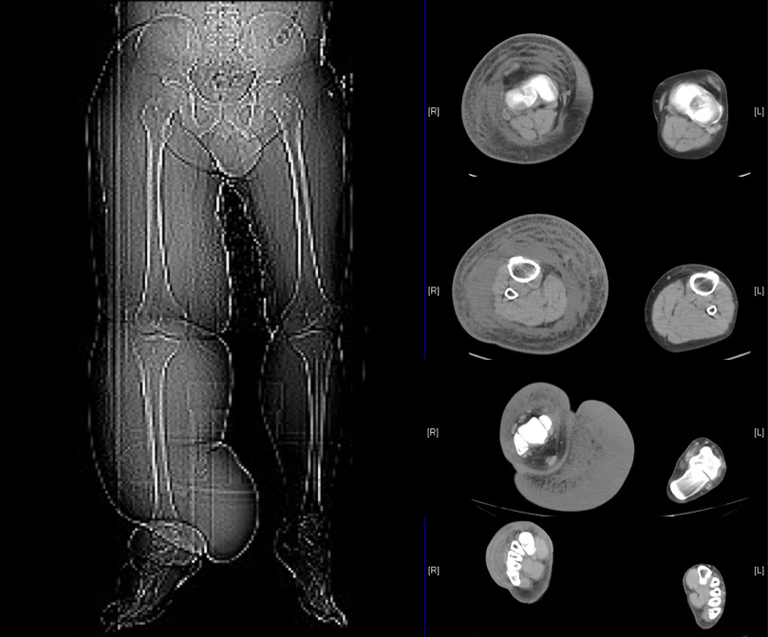
Lymphedema is a persistent condition marked by swelling in the arms and legs, primarily caused by the malfunction of the lymphatic system. It can be triggered by cancer treatments, radiation therapy, or congenital abnormalities, leading to a buildup of lymph fluid in the tissues. In severe cases, it can also affect other body parts such as the head and genitals. This chronic disease is more common in women.
Chronic lymphedema, or lymphatic obstruction, occurs when excess fluid accumulates in tissues, leading to swelling (edema). This condition is caused by a blockage in the lymphatic system, which is part of the circulatory system and essential for immune function. Cancer treatments, radiation therapy, or congenital abnormalities can lead to this blockage.
Patients with lymphedema typically experience swelling in the arms and legs, but in more severe cases, it can also impact other areas of the body such as the head, chest, and genitals. Women are more likely to develop this chronic condition than men.
Symptoms of Lymphedema:
A feeling of heaviness or discomfort in the arm or leg
Skin pitting (where an imprint is left after applying light pressure)
Swelling in the arm, leg, or other affected areas
Limited movement in the arm or leg
Alterations in skin color or temperature
Tightness in jewelry
Are there different types of lymphedema?
Yes, there are two types:
Primary lymphedema: Rare and inherited conditions affecting the development of the lymphatic system. It can manifest at different stages of life, from infancy to adulthood.
Secondary lymphedema: Occurs when the lymphatic system is damaged due to factors like surgery, trauma, or radiation therapy. It's most common among those who've undergone breast cancer treatment.
Diagnosis
If you're at risk of lymphedema, such as after cancer surgery involving your lymph nodes, your doctor might diagnose lymphedema based on your symptoms. If the cause is unclear, imaging tests may be ordered to examine your lymph system, including:
MRI Scan
CT Scan
Ultrasound
Lymphoscintigraphy
Treatment
There is no cure for lymphedema, so treatment focuses on reducing swelling and preventing complications.
Medications
Lymphedema significantly increases the risk of skin infections (cellulitis). Your doctor may prescribe antibiotics for you to have on hand for immediate use when symptoms arise.
Therapy
Specialized lymphedema therapists can teach techniques and provide equipment to reduce swelling, such as:
Exercises
Manual Lymph Drainage
Compression Bandages
Compression Garments
Sequential Pneumatic Compression
© 2024 Dr. Malarvizhi K. Natarajan. All rights reserved.